Why You Perform Under Pressure but Stall on the Easy Stuff
Why your brain performs under pressure but stalls on the things that should be easy
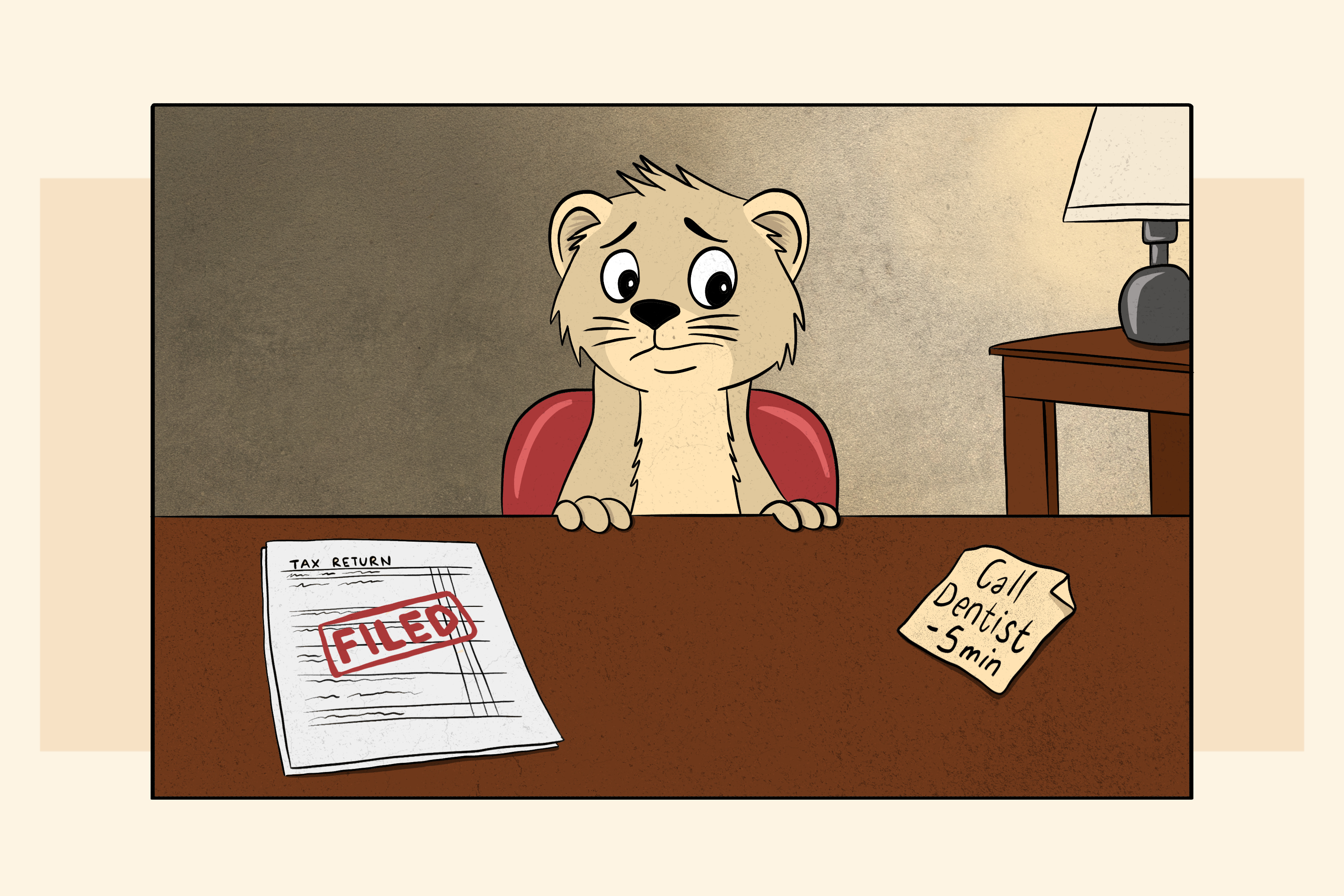
You filed your taxes at 11:47pm on April 14th. Three hours of focused, zoned-in energy that showed up from nowhere. Documents, numbers, decisions, filed.
This morning, you sat down to schedule a dentist appointment. 4 hours later, you have a reorganized bedroom and deep cleaned toilets (but no appointment scheduled).
At the end of this newsletter, there's a 5-minute worksheet called Your Urgency Map that helps you pick one stalled task and borrow the urgency trigger your brain actually responds to.
Your brain on a deadline
When a deadline gets close enough to feel dangerous, our brains release a surge of norepinephrine, the neurotransmitter that sharpens attention and wakes up the prefrontal cortex, the part of the brain responsible for planning, prioritizing, and following through. For a few hours, everything clicks.
But ADHD brains operate on lower levels of both norepinephrine and dopamine in the prefrontal cortex at baseline. Without enough norepinephrine, the mundane stuff (appointments, emails, bills) never generates enough activation to start.
(We dug into why boring tasks send your brain searching for something more interesting in Your Brain Is Looking for Something the Boring Task Can’t Give It.)
Urgency is the workaround our brains figured out on their own. A looming deadline, a disappointed boss, a form due tomorrow. These push norepinephrine into the range where the prefrontal cortex functions the way it was designed to. Think of it as an inverted U: too little activation and the brain drifts, too much and it shuts down. Crisis lands in the sweet spot.
Crisis becomes the strategy.
We wait until the last minute because we know that’s when we’ll be able to start. We say yes to tight timelines because pressure is the only fuel that works. Then the deadline passes, the norepinephrine drops, and the dentist email goes back to being invisible.
The cost builds over time. Chronic stress exposure weakens prefrontal cortex function, degrading the circuits we depend on for focus and follow-through. Each crisis we power through makes the next ordinary Tuesday a little harder to navigate. The threshold for “urgent enough to start” keeps climbing.
(This connects to what we covered in You’re Not Lazy, You’re Empty, the tank was already running low before the task even appeared.)
From our readers
“Out of all the ever-increasing noise on social media allegedly supporting ADHDers, you are the one who totally gets it and whose advice and guidance I most trust.”
- Vanessa, paid subscriber
Things to try
Each strategy is tagged by energy level: 🥄 low, 🥄🥄 medium, 🥄🥄🥄 high. Pick the one that matches your brain today.
1. The countdown timer 🥄
Set a 15-minute timer before you start any routine task. The ticking creates a low-grade sense of urgency, enough for a small norepinephrine bump without the cortisol of a real crisis.
When it goes off, stop. You can restart it or walk away. Fifteen minutes is long enough to make progress and short enough that your brain doesn’t panic about being trapped in a boring task.
2. Deadline stacking 🥄🥄
Pair a routine task with something that already has a real deadline. “I’ll reply to those emails before my 2pm meeting.” “I’ll switch the laundry before the grocery delivery arrives.”
You’re borrowing urgency from a real event and attaching it to the boring one. Your brain doesn’t know the difference. It registers “time is running out” and the activation shows up.
3. The sprint day 🥄🥄🥄
Block one day a week to batch every routine task into a single pressured session. Set a hard stop (lunch, school pickup, a call with a friend).
Give yourself permission to coast on the mundane stuff the rest of the week, knowing everything lands in the sprint. You’re working with your brain’s need for urgency instead of pretending it doesn’t exist.
This week’s Apply It worksheet
This worksheet helps you figure out why your brain crushed the last deadline but won't start the task that's been sitting there, and borrow the urgency trigger that actually works for you.
This, not that
Neurotypical advice: “If it’s important to you, you’ll find a way.”
ADHD reframe: Importance and activation work through different pathways in the brain. You can care so much about something and still not be able to start it. Give your brain a reason to feel urgency (a timer, a person waiting, a borrowed deadline) and the starting takes care of itself.
💬 Discussion prompt
Name the task that’s been sitting on your list for weeks that you could finish in 15 minutes if someone gave you a deadline right now.
Thanks Jae for last week's comment. Each week, we send one commenter a $25 Amazon gift card.
How did you enjoy our newsletter today?
If this read helped you, pass it on: a like, comment, restack, or share helps more ADHDers feel understood and less alone :)


I need a sense of urgency to get anything done, even things I really want to do!
I wish my taxes were finished last night - that is unfortunately how I am spending my lunch time today 😖