

If someone sent you this
It probably came from someone who cares about you and has wanted to explain this for a while. Thank you for opening it. Taking four minutes to understand how someone else's brain works is a generous thing to do.
We're The ADHD Weasel, a newsletter for adults who found out late, often decades late, that they have ADHD. October is ADHD Awareness Month, so this week we wrote one issue for the people around our readers. It takes about four minutes, and nobody expects you to become an expert.
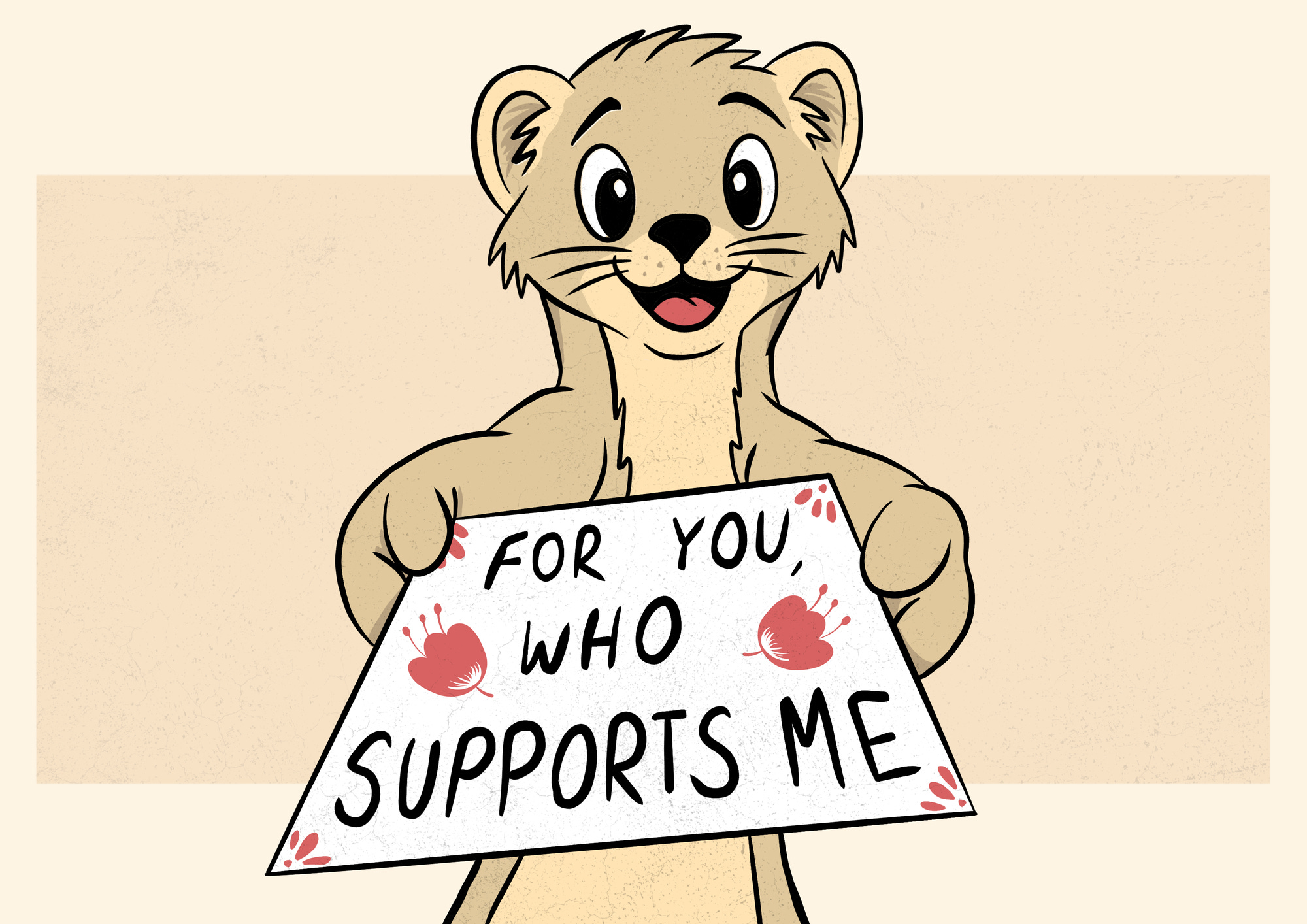
Researchers who went back over the stories of women diagnosed as adults found that much of the relief of a diagnosis came from being believed: somebody outside their own head agreeing that this was real. That person can be a doctor, or someone at the kitchen table.
Four things worth knowing
1. It starts in the wiring. An ADHD brain runs its effort system on interest more than importance, and that shows up as measurable chemistry. Brain scans of adults with ADHD show lower dopamine markers in the reward pathway, and the lower those markers run, the lower the drive. The dishwasher left full for three days and the midnight spreadsheet for your trip come from the same brain, doing what it was built to do.
2. Most of the effort happens out of sight. When researchers asked people without ADHD to imagine having it, the picture they reached for was a child's: the loud, restless parts anyone can see. Adult ADHD mostly happens on the inside: three alarms and an hour of quiet panic to arrive on time, or standing at the sink wanting to do the dishes while the bridge between wanting and doing is out.
3. Reminders can land hard. By the time someone mentions the forgotten thing, the person with ADHD has often remembered it eleven times already and felt bad about it each time. So one more “did you do it yet” can land as a verdict, even when it was meant kindly.
4. Small help goes a long way. Sit in the same room while they do the boring thing. Read your own book at the other end of the table while they open the mail, with no need to help or check in. Plenty of people with ADHD say that kind of company is what gets the task done, and nobody has a tidy explanation for why yet.
And when they tell you how their brain works, take them at their word. Many of them spent years hearing it was a character flaw.
Why there's a month for this
Plenty of adults in our community went decades without a name for what was going on. What they had instead were other words: scattered, lazy, too much. Awareness is how a lot of them finally found the right one.
If you've wondered whether adult ADHD is real, or whether it gets diagnosed too easily now, those are ordinary questions, and the numbers are worth a look. Among children, ADHD gets identified in roughly three boys for every girl, while among adults the ratio is much closer to even. The women were there the whole time.
Girls in particular tended to reach a psychiatrist for something else first, sometimes for years, before anyone said the word ADHD. If the person who sent you this got their answer at thirty-eight or fifty-one, that late answer came from a system that was looking for someone else.
Thank you for reading
If there's one thing to keep from this letter, it's that the help that matters most is small: believing them the first time, and a little patience on the days their brain makes everything harder. None of it takes expertise.
We write The ADHD Weasel twice a week for tens of thousands of people, most of them diagnosed late. The reply we hear most often is some version of I thought it was only me. One person on the outside taking an interest makes a real difference, and by reading this far, you've been that person today. Thank you.
This page stays at the same link, and you can read all of it without signing up for anything.
The newsletter this came from is free. It goes out twice a week to tens of thousands of people who were diagnosed late, and plenty of the people who love them read it too.