

Your coworker sends a one-word Slack reply. “Okay.” No exclamation point. No emoji.
And suddenly your brain is off to the races. What did I do wrong? Are they annoyed with me? Did I overstep in the meeting? Maybe they’ve never actually liked me.
Three hours later, you’re still analyzing that word. You’ve replayed every interaction from the past week. You’ve drafted and deleted six follow-up messages. And your chest still feels tight with that familiar dread.
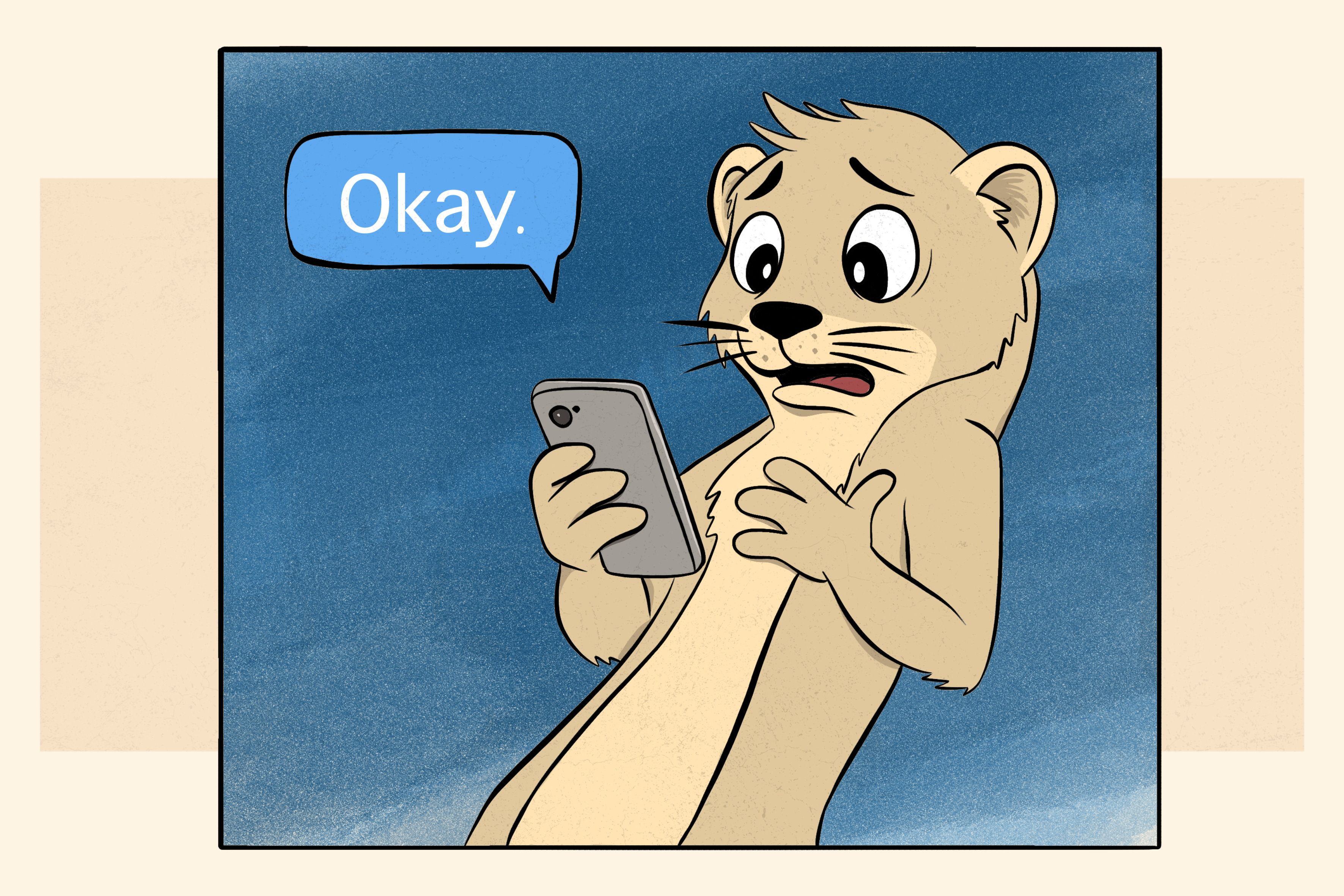
You’re not being dramatic. You’re not “too sensitive,” no matter how many times you’ve heard that. What you’re experiencing has a name, and it happens because of how your brain is wired, not because something is wrong with your character. For many people with ADHD, this kind of emotional tailspin isn’t rare. It’s a near-daily reality that’s exhausting, isolating, and rarely understood.
Stick around for the science and strategies, plus the “Apply It” worksheet for paid subscribers at the end.
Why your brain goes nuclear over neutral feedback
This pattern has a name: rejection sensitive dysphoria, or RSD. It describes the intense emotional pain from perceived rejection, criticism, or failure. It’s not an official diagnosis, but it’s increasingly recognized by researchers as a core part of the ADHD experience.
RSD isn't the same as social anxiety, though many people with ADHD experience both. Social anxiety tends to show up as anticipatory worry about upcoming interactions. RSD hits like a gut punch in the moment, triggered by perceived rejection or criticism that's happening right now.
A systematic review found that emotional dysregulation is present in up to 70% of adults with ADHD and represents a core symptom of the condition. The brain structures involved include the amygdala, which sounds your emotional alarm, and the prefrontal cortex, which should regulate that response. In ADHD, communication between these regions is disrupted. When something feels like rejection, your brain’s alarm goes off full blast and the regulatory system doesn’t kick in fast enough.
A 2018 study found adolescents with ADHD showed enhanced neural sensitivity to peer rejection. Their brains were more reactive to both criticism and praise, essentially perceiving neutral social cues as emotionally charged. More recent research from 2024 confirmed a strong link between ADHD symptoms and rejection sensitivity in college students, including heightened fear of negative evaluation.
This isn’t something you can think your way out of. It’s wired into how your brain processes social information
Strategies to interrupt the spiral
The good news: you can actually interrupt these spirals before they eat your whole day. It takes practice, and your brain won't love it at first, but the techniques below give you something concrete to grab onto when the panic hits.
Name it out loud: When you notice the gut-drop feeling, say: “This is RSD. My brain is interpreting this as rejection.” Naming the pattern creates distance and helps your prefrontal cortex come back online.
