

Ever notice a pattern you’ve been running for years and feel relief for about three seconds before the dread kicks in? Like finally connecting the dots on why you always shut down after big social events, or why every Sunday turns into a procrastination spiral, or why you snapped at your partner over dishes when really you’re just overwhelmed. The awareness feels good until it doesn’t. Until that quiet voice asks: now that you see it, what are you actually going to do about it?
Leah Carroll is an ADHD Life and Mindset Coach who helps late diagnosed adults understand their brains, break old patterns, and build lives that actually work for them. She blends lived experience with trauma aware coaching, neuroscience education, and gentle accountability to help ADHDers create momentum without burnout. Leah offers 1:1 private coaching, runs The ADHD Academy Collective community and teaches practical strategies that honor the way ADHD brains naturally function. You can connect with her for a free 45 minute coaching call here.
In this guest post, Leah breaks down why awareness feels so vulnerable for ADHD brains, what actually bridges the gap between insight and action, and five practical strategies to build self awareness without drowning in shame or stalling out from overwhelm.
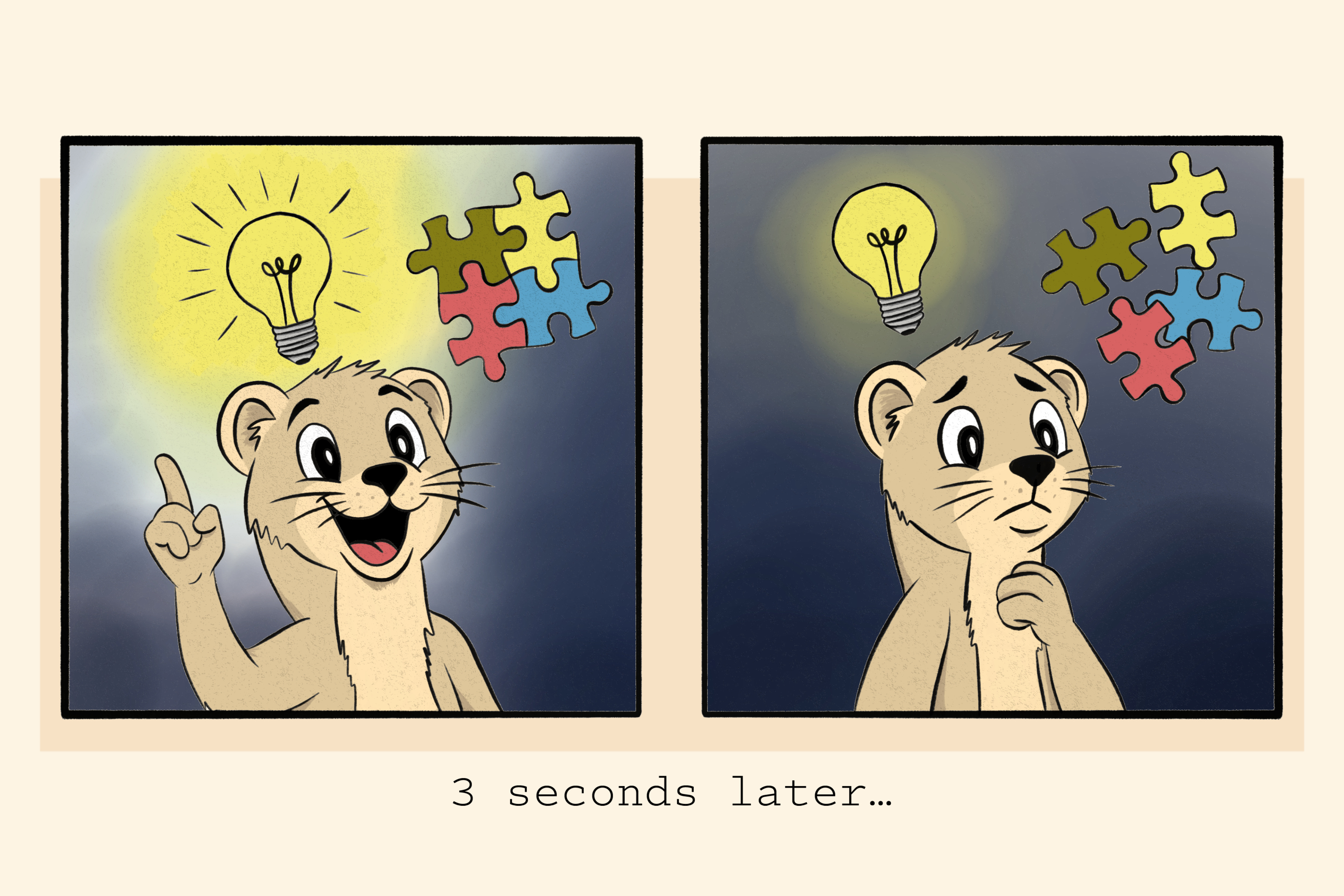
There is a moment in the ADHD journey that feels like being caught in the light. You notice a pattern you have been repeating for years and suddenly it clicks. The procrastination spiral. The shutdown after overwhelm. The emotional snap that has nothing to do with the person in front of you. It is a moment of clarity that feels both relieving and unsettling. Because once you see something, you cannot unsee it. And a quiet voice inside you whispers, “Now that you know this, what are you going to do with it?”
For ADHD brains, this moment is powerful, but it is also vulnerable. Awareness invites responsibility, and responsibility often feels like pressure. Yet this moment is also the doorway into real transformation. Not the polished, overnight kind. The real kind. The messy, human, science-backed version of change that begins with self understanding instead of self criticism.
I know this from lived experience. I was diagnosed with ADHD at twenty eight and genuinely believed medication would solve it. When it did not feel good in my body, I stopped taking it and decided there was nothing else I could do. I moved through life expecting others to accept the chaos I brought with me. If my time management or emotional storms were disruptive, that felt like their problem, not mine.
Eventually I burned out. Instead of looking at what I could shift, I burned my entire life down. I quit my job, ended my relationship, sold everything I owned, and left to backpack for three years. The freedom was intoxicating, but it was also a way to avoid responsibility. There were fewer consequences out on the road. Less risk of letting anyone down. Less risk of letting myself down.
It was not until I settled in Germany that something shifted. I began noticing the patterns behind my overwhelm and emotional volatility. Not in a punishing way. In a “I think I might actually be able to do hard things” way. Once I stopped trying to square-peg-round-hole myself into a neurotypical mold and started leaning into what actually supported my brain, things changed. Slowly, quietly, and for the first time, sustainably. I knew there were so many others out there, like me, who were struggling and desperate for support. I started my coaching journey in 2022 and it has been the single most important and purpose driven life choice I’ve ever made and I’m thankful every single day that I get to do this work.
Here is what I’ve learned along the way…
1: Awareness Feels Vulnerable Because It Activates Emotional Sensitivity
ADHD is not just about attention or executive function. It also involves emotional regulation differences. The brain processes feedback more intensely, and criticism, even self-imposed, hits harder. When you finally notice a pattern, your nervous system treats it like a threat. It is not necessarily the awareness itself that hurts. It is the fear that you will not be able to follow through on changing it.
