

You put the laundry in the washer three days ago. You remember the satisfaction of finally starting it.
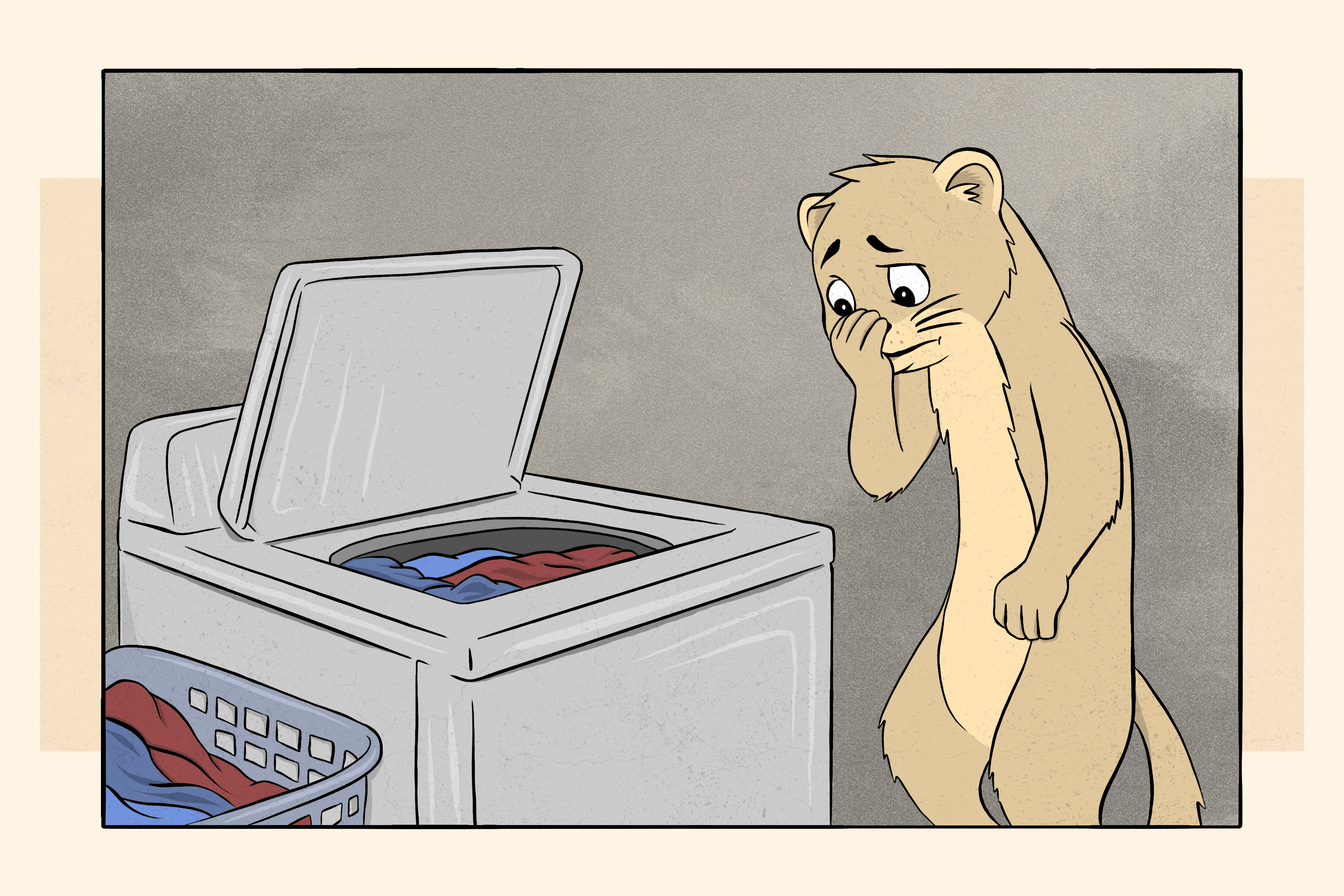
You did not remember to move it to the dryer. You didn’t remember the laundry existed at all until just now, when you opened the washer and got hit with that smell. The one that means you’re running the cycle again. For the third time this month.
The washer has a lid. Once you closed it, the laundry stopped being real.
Your friend from college hasn’t heard from you in six months. You just forgot they existed the moment they weren’t standing in front of you. “I forgot you existed” sounds cruel when it’s literally what happened. Your brain didn’t lose the memory. It lost access the moment that person left your visual field.
We’ve put together a worksheet this week that helps you audit your spaces for visibility and build protocols for keeping people and things in your awareness. You’ll find it at the end of this newsletter (PDF and digital versions).
Why closing the drawer makes things disappear
You’ll hear debates about whether this is “real” object permanence or just working memory issues. Your brain can’t maintain mental representations of things once they’re out of sight. Call it whatever you want. The experience is the same, and so are the solutions.
Working memory is what keeps information active in your awareness even when you’re not looking at it. It’s the mental sticky note that reminds you your friend exists when they’re not in front of you, or that you put laundry in the washer this morning. Working memory deficits show up in 75 to 81 percent of people with ADHD.
Neurotypical brains can keep a task or person humming quietly in the background while attention moves to something else. Your brain drops that thread the moment something else takes focus. The mental representation just... dissolves.
Your prefrontal cortex, the region responsible for holding goals and plans in mind, is supposed to maintain these representations. But in ADHD, this region is underactive. It needs optimal levels of norepinephrine and dopamine, the chemicals that help your brain stay focused and motivated, to function properly. When the neurochemical environment isn’t right, the networks holding goals and memories of people don’t fire.
This is especially severe for visuospatial information, your brain’s ability to hold a mental picture of something you can’t currently see: the location of your keys, the face of someone you care about, the vegetables in the closed crisper drawer. The representation fades once something leaves your field of vision. And with it, any sense the thing exists.
From our readers
“Because I now understand that so many things in my life that have always seemed a bit ‘off’ or dissimilar to other people’s actions and characteristics are really ADD traits. Talk about a lightbulb moment!”
- Linda, paid subscriber
Things to try
You can’t fix your working memory, but you can redesign your environment to work with it.
1. Make everything visible
If you can’t see it, it doesn’t exist. Use clear containers, open shelving, glass jars, transparent bags, clear pouches. Move vegetables and expiring items to direct eye level in the fridge. Crisper drawers are where food goes to be forgotten. If you use opaque containers, label them with photos. Your space will look different from magazine spreads. It will also work.
