ADHD and Morning Routines
Why mornings fall apart even when you plan ahead
You set your alarm with the best intentions. You have an important meeting at 10am, one you actually care about. You wake up with plenty of time.
Then you’re sitting on the edge of your bed, phone in hand, and it’s 9:37am. You haven’t showered. Your clothes are still in the closet. The coffee you meant to make never happened.
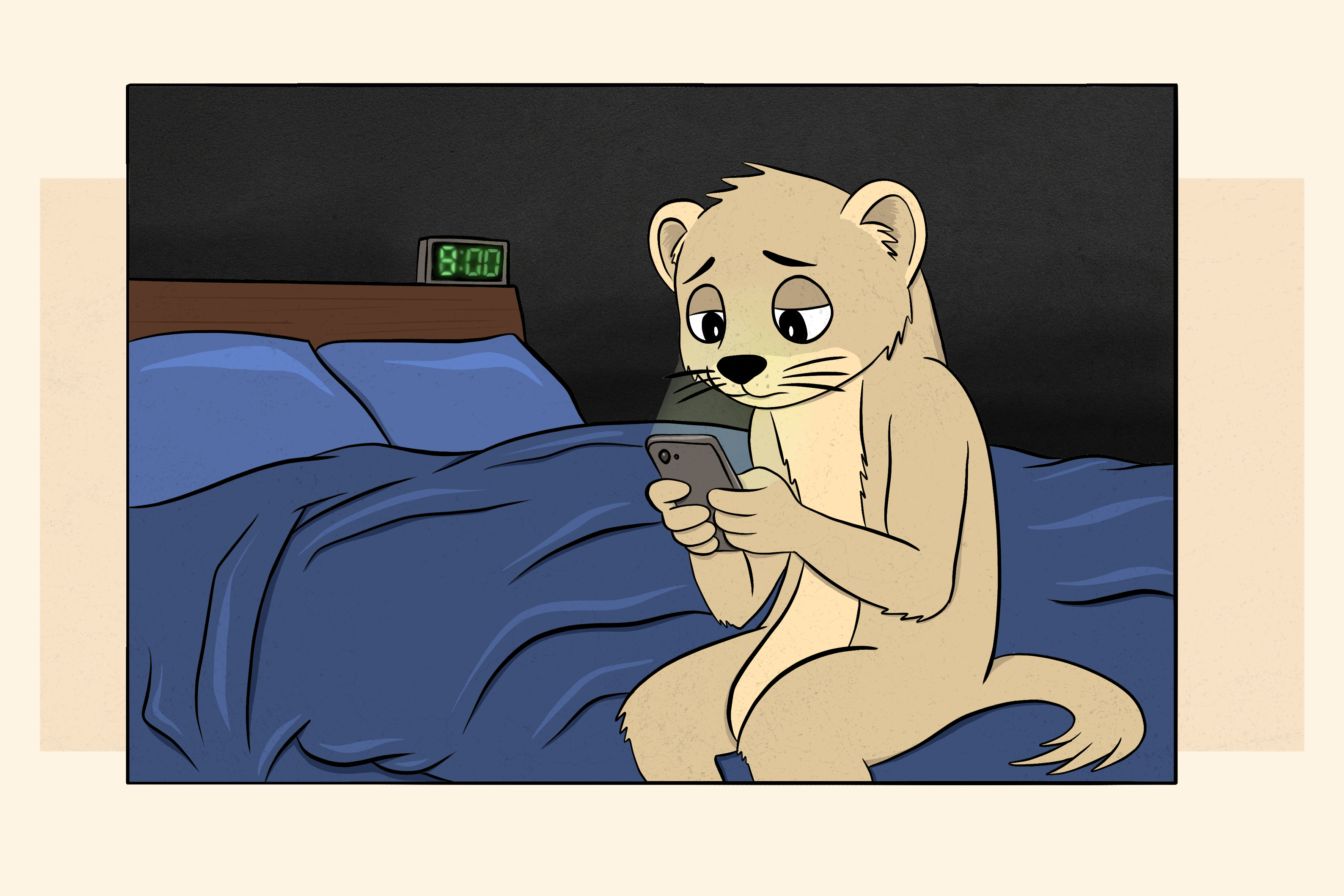
Your chest tightens as you rush out the door. The familiar wave hits: shame, frustration, and that exhausting thought about what's wrong with you that everyone else seems to handle mornings just fine.
We've put together a worksheet this week called Morning Momentum that helps you pinpoint exactly where your mornings fall apart and build a realistic plan to protect your executive function. You'll find it at the end of this newsletter (PDF and a new mobile friendly version).
We're running a 5-minute survey about what's working in this newsletter and what's not. Your answers go straight into our planning for next quarter. Three people will win a $50 Amazon gift card. Survey closes on Feb 15th!
This isn’t laziness
What you’re experiencing has a name. Task initiation paralysis combined with time blindness. And it’s how ADHD brains actually function.
For those of us who didn’t get diagnosed until our 40s, 50s, or 60s, understanding this can feel both validating and heartbreaking. Validating because finally, there’s an explanation. Heartbreaking because of all those years believing we were somehow deficient.
Your morning routine isn’t one task. It’s dozens of separate micro-tasks, each requiring its own initiation. Getting out of bed. Walking to the bathroom. Turning on the shower. Choosing clothes. Making breakfast. Research shows that people with ADHD experience difficulties with initiating and completing tasks in a timely manner, along with challenges in priority and time management.
And it's not just starting tasks that drains you. Every transition between morning tasks requires cognitive energy. Showering to getting dressed. Breakfast to gathering your things. Each switch costs you. Inattentive traits predict larger switch costs when working memory load is high. By the time you’ve mentally switched between tasks a dozen times, you’re already exhausted. And the day hasn’t even started.
This is especially hard if you’re also managing teenagers’ schedules, aging parents’ needs, or work deadlines. Each one adds another layer of cognitive load.
Then there’s time blindness. This might be the most frustrating part to explain to others. Time perception differences are central to how ADHD works in adults. The ability to perceive and estimate time is linked to activity in the prefrontal cortex, and lower activity in this region contributes to poorer time perception. You’re not being careless when you “lose” two hours. Your brain literally cannot track elapsed time the way neurotypical brains do. Five minutes feels like thirty seconds. Thirty minutes feels like five.
If you’re perimenopausal or postmenopausal, hormonal changes can make this even harder. Lower estrogen levels affect dopamine regulation. If you’ve noticed your ADHD symptoms worsening in recent years, this might be why.
What Actually Helps (And Why Waking Up Earlier Isn’t the Answer)
Waking up earlier won't fix this. You've probably already tried that.
1. Eliminate morning decisions entirely
Every decision requires executive function you don’t have yet. The night before, set out your complete outfit including shoes and bag. Prep breakfast so it requires zero thought. Pack your bag and put it by the door with your keys.
This protects your limited morning executive function for actually getting out the door.
2. Create external activation
Your brain needs a jumpstart. Open curtains immediately for bright light. Splash cold water on your face. Play loud, upbeat music. Put your alarm across the room so you have to stand up.
Physical activity in the morning helps activate your brain’s dopamine pathways, which primes your brain for focus. You’re giving your brain the stimulation it needs to actually function.
3. The “first move” protocol
Don’t think about your entire morning routine. That’s overwhelming and will paralyze you.
Think only about the very first move: feet on floor. That’s it. Once your feet are on the floor, the next move becomes easier. Just stand up. Just walk to the bathroom. Break the inertia with one tiny action.
4. Identify your 3 non-negotiables
You cannot do everything perfectly every morning. What are the three things that absolutely must happen. Maybe it’s: take medication, brush teeth, leave the house with phone and keys.
Everything else is optional. Be realistic and protect yourself from the shame spiral.
5. Get out of the house
Once you’re ready enough, leave. You’re trying to be productive in an environment that cannot activate your brain. The coffee shop, the library, even your parked car. Anywhere with more stimulation will help your brain function better.
Good enough IS good enough.
Dive into our ‘Morning Momentum’ worksheet
This worksheet helps you pinpoint exactly where your mornings fall apart and create a plan that actually works with your brain. You'll identify your biggest sticking point, choose one area to prep the night before, create your personal "first move" chain, define your three non-negotiables, and pick one thing to try this week.
How did you enjoy our newsletter today?
If this read helped you, pass it on: a like, comment, restack, or share helps more ADHDers feel understood and less alone :)


Agree wholeheartedly with everything here. I exercise first thing every morning before my family gets up, and after some pain with the process, it has become a second nature for me. It's an absolute must for my brain to start the day. Anytime I have the thought, "Do I REALLY want to do this today?" I always follow it up with "Have you ever regretted your exercise after you've finished?" and the answer is always no. Great motivation for the ADHD brain.
I have found working on a crossword puzzle while I drink my first cup of coffee in the morning helps me get going.