Why You Forgot (Again)
How ADHD working memory turns every doorway into a thought eraser
You stand up with purpose. Grab the phone charger from the bedroom. Twelve seconds later, you’re in front of the open refrigerator, staring at condiments. Why are you here? No idea.
Back to the living room. Oh right, the charger. You head toward the bedroom again. Pause in the doorway. Gone. The thought evaporated between rooms, as if the doorframe erased it.
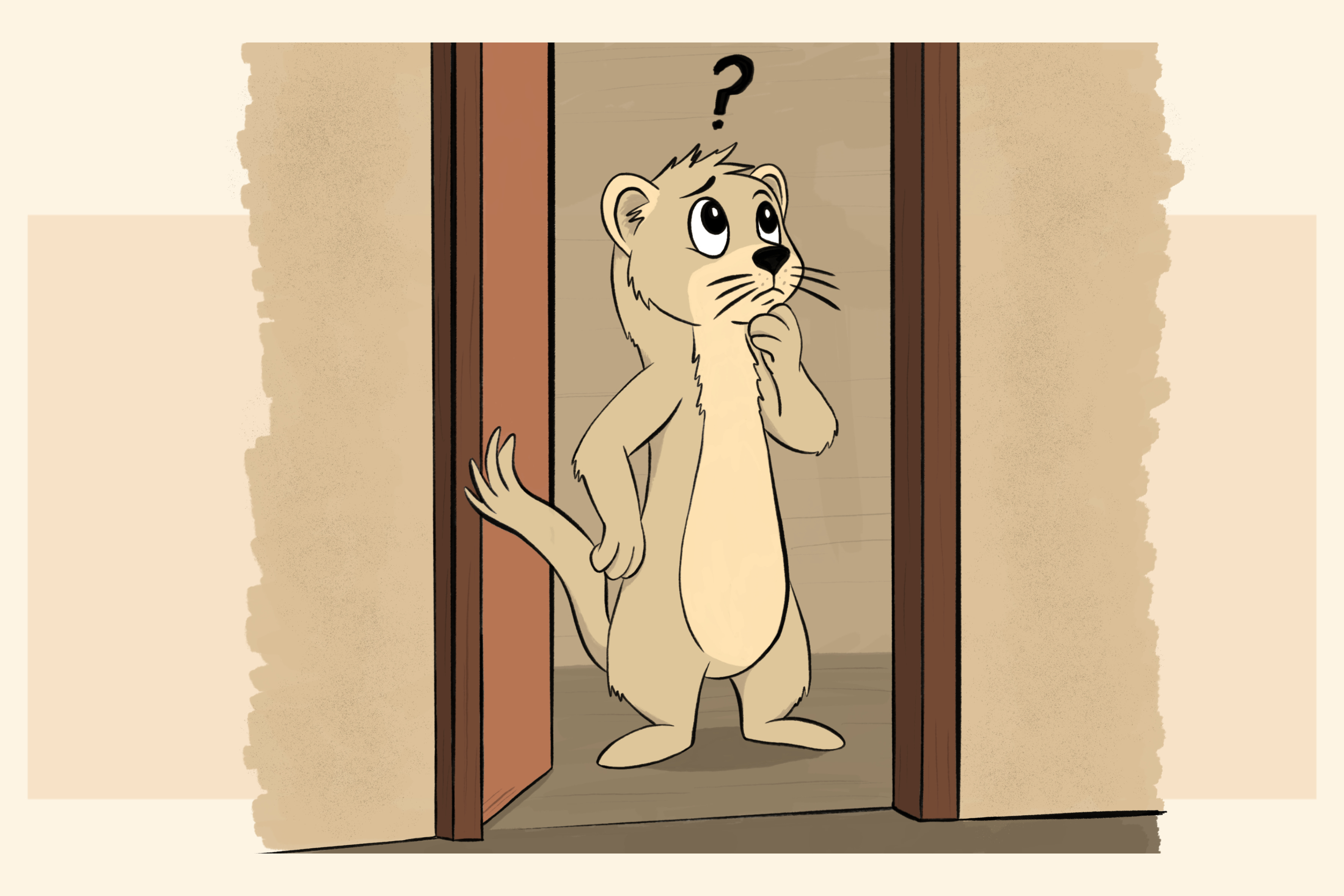
The unsettling part isn’t the forgetting. It’s that your own mind feels unreliable. You wonder: is this ADHD, or something worse? Our working memory, the brain’s ability to hold information while using it, works differently. Understanding why can help you stop blaming yourself.
Stick around for the science behind why this happens, practical strategies that actually work, and the Apply It worksheet that'll help you take action.
Why your brain files thoughts away before you can use them
Your brain has a temporary workspace called working memory. Think of it as a mental sticky note where you hold information just long enough to use it. For most people, this holds four to seven items. For you, it might hold two, and the adhesive is questionable.
Working memory has two main components. The phonological loop handles verbal information. The visuospatial sketchpad handles visual and spatial information. Both require the central executive, your brain’s air traffic controller, to coordinate everything. In ADHD, this entire system operates with significant impairment.
The research is striking. A comprehensive meta-analysis found that 75 to 81 percent of children with ADHD show working memory deficits. Earlier work established that these deficits affect both verbal and spatial systems. And these difficulties persist into adulthood, with adults showing moderate-magnitude deficits across both domains.
Then there's the doorway effect. Researchers found that walking through doorways actually causes forgetting. Doorways act as event boundaries in your brain, filing away the previous mental context and clearing space for new information. Your brain interprets a doorway as a signal that the previous episode is over and a new one is beginning. This happens to everyone, but when your working memory capacity is already limited, the effect is amplified. That thought you had in the living room gets filed away the moment you cross the threshold.
Making your environment do the remembering
Your working memory isn't going to magically expand. But you can reduce what it needs to hold by making your environment do the remembering. These strategies catch thoughts before they evaporate:
Say it out loud: When you decide to get something from another room, narrate your intention: “I’m going to the bedroom to get my charger.” Speaking activates your phonological loop, giving the information a second pathway into memory.
Carry a physical anchor: If you need to remember something, hold a related object. Going to ask your partner a question? Hold the thing the question is about. The physical object creates a retrieval cue you can’t lose.
Put notepads everywhere: Place a small notepad and pen in every room where thoughts occur. The moment something enters your mind, write it down before you take a single step.
Use voice memos for moving thoughts: When you’re walking or driving, hit record on your phone and capture the thought instantly. Sort through memos later when you have capacity.
Create environmental cues: Put the thing you need to remember in your path. Need to take medication with breakfast? Set the bottle on your coffee maker. Your future self will encounter the cue exactly when it matters.
Return to the scene: When you forget why you walked into a room, go back to where you had the thought. Environmental context is a powerful retrieval cue.
Assign homes for essentials: Keys, wallet, phone, charger. Each gets one designated spot. The less your working memory has to hold, the more capacity it has for everything else.
Pause in doorways: Before crossing a threshold, stop for two seconds and consciously repeat your intention. This can prevent the doorway from filing away your thought.
Dive into our ‘Apply It’ worksheet (Paid Subscriber Perk)
You just read strategies for externalizing your memory and creating systems that hold information your brain can’t. But when you’re standing in the kitchen wondering why you’re there, you won’t remember any of this.
This week’s worksheet gives you a room-by-room capture tool placement guide so you know exactly what to put where, a voice memo protocol for different thought types so you know when to record versus write, an environmental anchoring setup checklist for your most-forgotten items, and a “say it out loud” practice tracker to help you build the habit before you need it.
Fill it out in 10 minutes. Reference it when you’re setting up your capture systems. Watch your thoughts start living outside your head instead of vanishing into doorways.
Tool we’re loving: Tiimo
Setting up all these environmental cues and capture systems requires remembering when and where to place them, which is exactly what we struggle with in the first place. We included Tiimo in our ADHD Essentials Bundle because it turns your intentions into visual schedules you can actually follow.
Tiimo uses icons, colors, and time-blocking to show you what to do and when. The visual nature means you’re not relying on reading and processing text when your brain is already overwhelmed.
It’s not for everyone though. If visual notifications stress you out or you prefer minimal interruptions, it might feel like too much. But if you’ve tried text-based task lists and they disappear into the void, the visual approach can make the difference between planning to do something and actually doing it.
The bundle is available to both monthly and yearly subscribers. Learn more about the different apps and how to redeem by clicking the orange text here.
How did you enjoy our newsletter today?
If this read helped your brain feel a little less tangled, pass it on: a like, comment, restack, or share helps more ADHDers feel understood and less alone :)


I love this! I’m an ADHD coach, I find your material really relevant!