Why Everything Got Harder Around 50
Why the habits that always worked stopped working
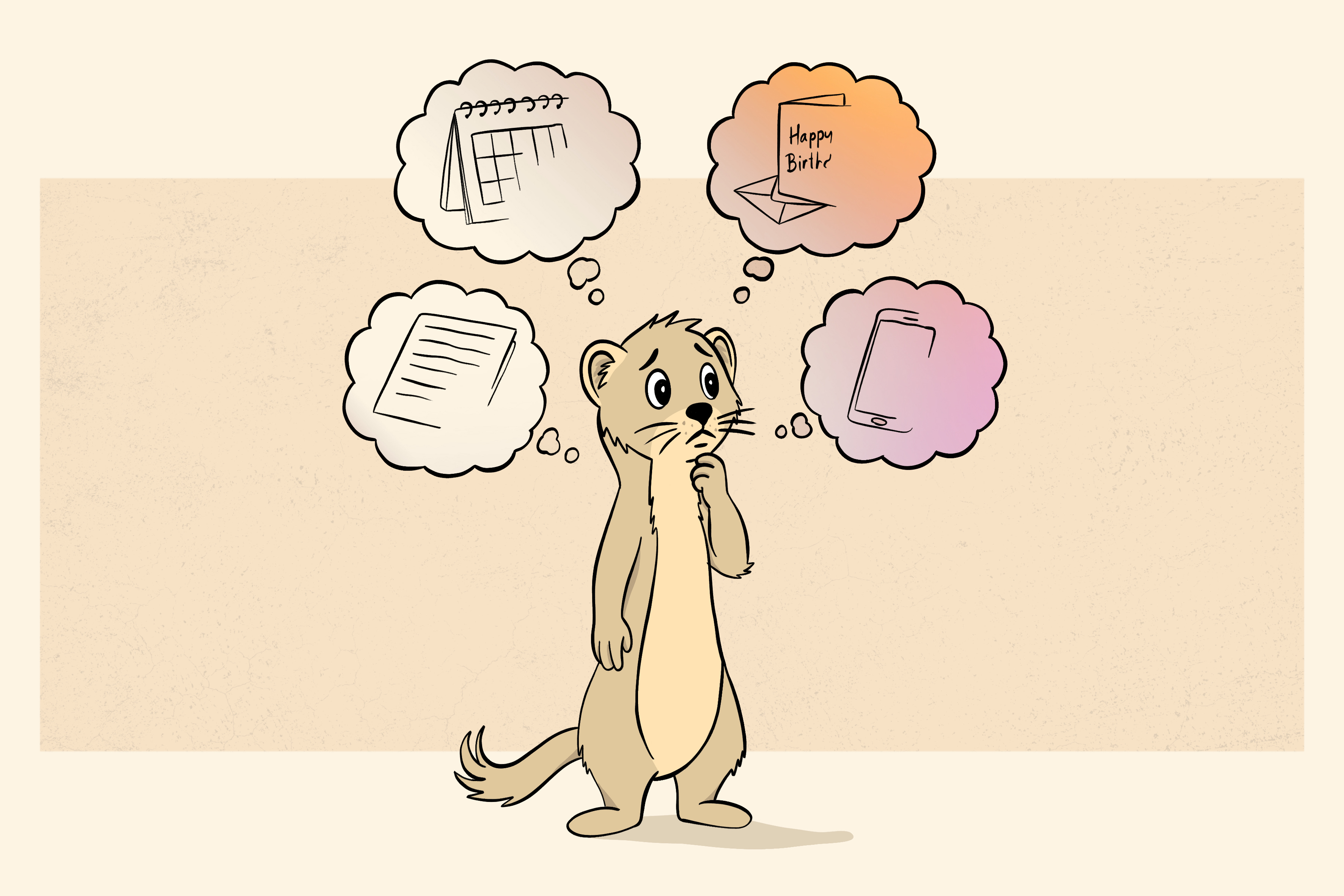
It’s the third planner this year, open on the counter to a week you already lost track of. You used to run all of it from memory, the appointments, the refills, everyone’s schedules, and it held for thirty years. It started coming apart around the same time the night sweats did, and you’ve spent every year since sure you were just losing your edge.
There’s a 5-minute worksheet at the end of this newsletter called What Changed Around Fifty. It walks you through what got harder and when, so you can see that it all started around menopause, instead of feeling like one more thing you failed at.
Why it got harder
Our brains run low on dopamine, the chemical that helps us start things, stick with them, and feel like they are worth doing. What almost no one explains is that estrogen had been helping that dopamine work. You can see it in women without ADHD too: as estrogen rises and falls across the month, their drive rises and falls with it, which means that for most of your life, estrogen was adding to a dopamine supply that was already low.
Around menopause, estrogen drops and stays low, so the help it was giving your dopamine drops too, and you were already running low to begin with. The researchers who study ADHD in women describe it like this: when estrogen falls in a brain that is already low on dopamine, the two shortfalls make each other worse. The habits that kept you on top of things for thirty years were leaning on that estrogen, so once it was gone, they stopped working.
Researchers think this is the best explanation for why so many women with ADHD hit a wall at this stage. No one has run the study that follows women with ADHD all the way through menopause, so it is not proven yet. But one thing is clear: the trouble started when menopause did.
From our members
“The ADHD Weasel really helps me see what I am doing in a new light, re-evaluate if it is working for me, recognize the ways I am having to work harder than other people in my life to accomplish the same goals, and cut myself some slack because of it.”
- Susan, Weasel member
Things to try
You can’t get the estrogen back by trying harder, so these work with the brain you have now.
1. Re-date it 🥄
Think of one thing that used to be automatic and now takes real effort: keeping everyone’s appointments straight, walking into a room and remembering why you went in, running the week without writing anything down. Put a rough date on when it got hard, and for a lot of women it lines up with the hot flashes and the broken sleep. Once you can point to when it started, it stops feeling like proof that you are getting worse.
2. Protect the sleep menopause is taking 🥄🥄
The night sweats that wake you at 3am steal the next day’s focus, and poor sleep makes every ADHD symptom worse right when menopause is hardest on your sleep. Pick the one change that could buy you thirty more minutes: a cooler room, the phone charging in another room, a wind-down routine you stick to. If the night sweats keep waking you, ask your doctor about them, because better sleep gives you back the next day.
3. Ask about hormone therapy 🥄🥄🥄
Hormone therapy is the one option here with real evidence behind it. It works on the menopause symptoms that are making everything harder, the hot flashes, the broken sleep, the mood swings, which frees up some of your focus. Doctors who treat both will often add it rather than change your ADHD medication.
The catch is timing. It helps most when it is started within about ten years of menopause, so if you are near the change it is worth asking about, and if that window has passed, a doctor who knows your history can tell you what fits instead. Bring the pattern you have been noticing and ask.
This week’s Apply It worksheet
By the end of this worksheet, you will have it written down: what got harder, when it started, and how it lines up with menopause. The next time you catch yourself thinking you have gone downhill, you can look at it and see what happened. Takes 5 minutes.
Partner Perspective
If someone close to you thinks you just stopped trying, tell them what changed: estrogen used to help your brain focus, and menopause lowered your estrogen, so focusing got harder even though you are trying just as hard as ever.
This week’s question
What’s the thing you chalked up to getting older, before anyone gave you another reason?
Each week, one comment wins a $25 USD Amazon gift card.
How did you enjoy our newsletter today?
If this read helped you, pass it on: a like, comment, restack, or share helps more ADHDers feel understood and less alone :)


I lived with undiagnosed ADHD until I got breast cancer in my sixties. It wasn't the disease itself that did the damage, and I'm fine now, but the oestrogen-blocking hormone therapy that is prescribed for up to 10 years to minimise the chance of recurrence. Everything fell apart very rapidly once the oestrogen stopped. I think this is an under-researched aspect of ADHD and cancer therapy in older women.