

You’ve read the books. You understand executive function, emotional regulation, working memory. You can explain why your child melts down better than most professionals can. And this morning, you still found yourself standing in the hallway saying “we are late, we have to leave NOW” for the third time, watching it all fall apart again.
Cindy Goldrich is an ADHD and executive function expert, mental health counselor, and the founder of PTS Coaching. She created the Calm & Connected parenting workshop series and trains coaches and educators worldwide through the ADHD Parent Coach Academy. She's the author of 8 Keys to Parenting Kids & Teens with ADHD and ADHD, Executive Function & Behavioral Challenges in the Classroom. She's put together a free resource kit for ADHD Weasel readers, including a chapter from 8 Keys, her Big 6 Parenting Guide, and reflective tools for parents.
Inside this guest post, Cindy breaks down the gap between understanding your child’s ADHD and actually knowing what to do in the hard moments, and shares the small shifts that change the pattern.
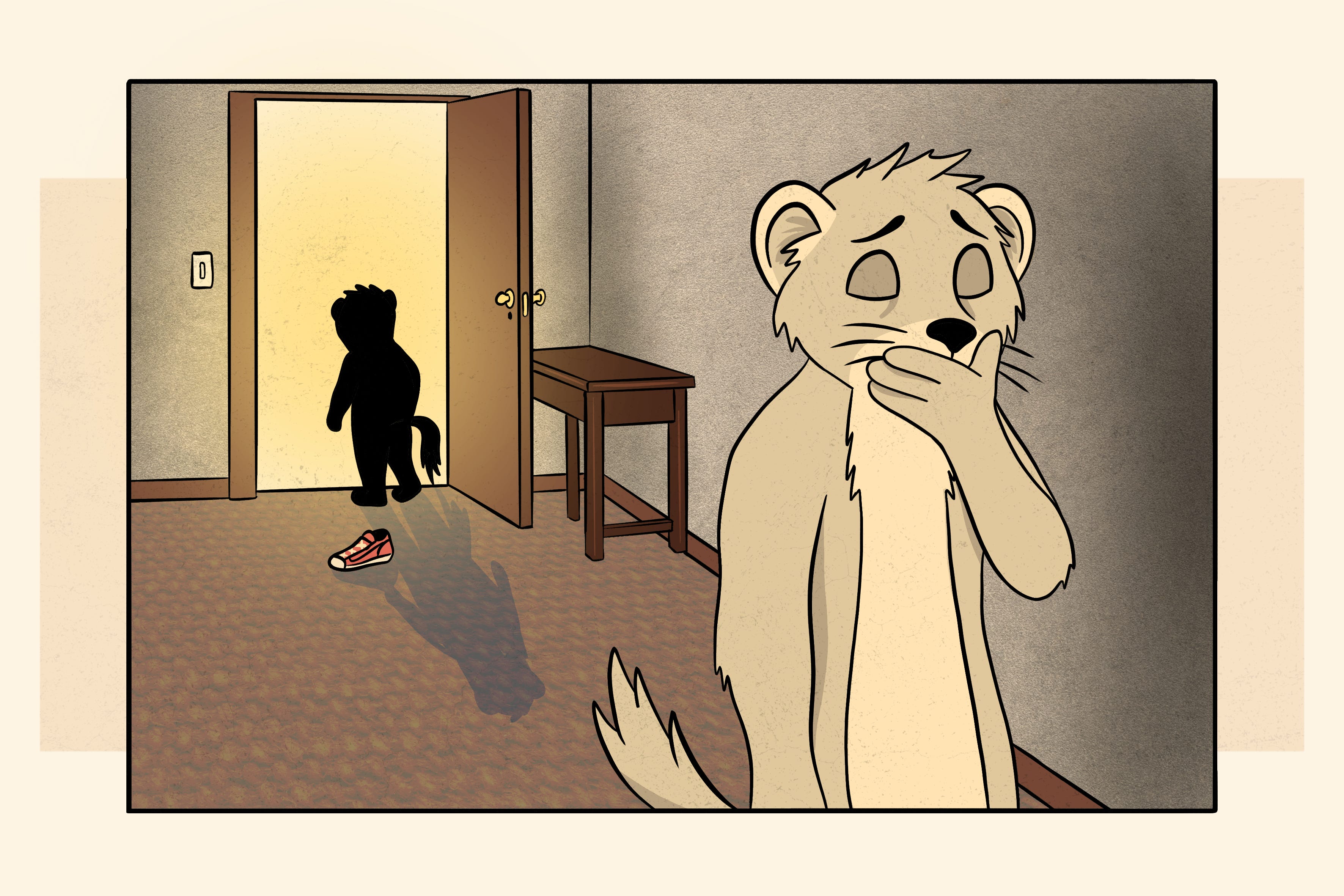
“I know what’s going on. I just can’t seem to stop myself in the moment.”
I hear some version of this from parents all the time. I was working with a mom not long ago who had read everything on ADHD. She could explain executive function better than most professionals. And every morning still turned into a battle over getting out the door.
You may have said something like this yourself. You’ve learned about emotional regulation, working memory, processing speed. You understand your child is overwhelmed, not defiant.
And still, the same things keep happening. Homework is a struggle. Mornings are chaotic. You find yourself repeating things you already know don’t work.
Understanding ADHD matters. But in the moment, it often doesn’t feel like enough.
There’s a difference between knowing and doing. In the moments that matter, when things are moving fast, when you’re frustrated, when you’re just trying to get through the day, you find yourself back in patterns you thought you could avoid.
“I already told you three times.”
“You still have to do this.”
“We’re late. We have to leave now.”
The meltdowns happen. The arguments follow. Not because you don’t understand ADHD. Because understanding doesn’t automatically translate into parenting skill in real time.
