


You finished the project at 2am, running on pure adrenaline. Three days later, you haven’t showered. The dishes are piling up. You keep telling yourself you’ll start tomorrow, but your body won’t move. You’re not tired. You’re not relaxing. You’re just... off.
Jenna Free knows this cycle. She’s a therapist for ADHD with ADHD. She works with ADHDers to get them out of fight or flight and into a steadier, more regulated state. This results in fewer symptoms, more executive functioning, and a more enjoyable life. With 195k followers on Instagram and the ADHD with Jenna Free podcast, she’s helped thousands understand why their brain works the way it does. Her book The Simple Guide to ADHD Regulation is now available for pre-order.
Inside this guest post, Jenna breaks down why your nervous system is stuck in survival mode and shares the in-the-moment regulation practice that’s helped her clients finally feel like they can “just do the thing.”
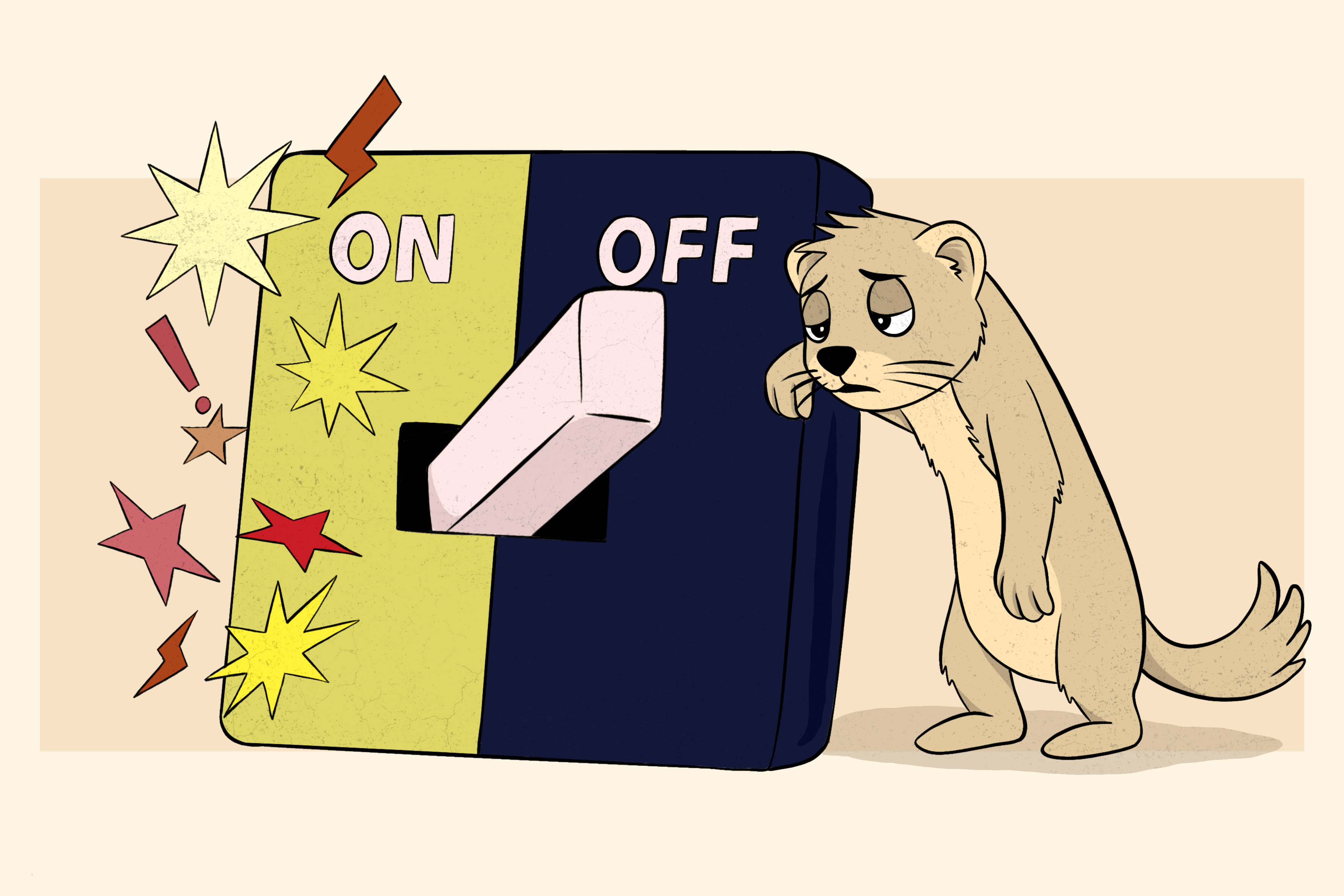
Before I was diagnosed with ADHD, I knew one thing about myself: I function in fits and bursts. I’m either ON or OFF. No in between.
After hundreds of hours working with ADHD clients, I realized this ON/OFF cycle was a big issue for every single one of them. And I saw that if we could work on this erratic cycle, we could change a lot of our ADHD experience.
This isn’t just “who you are”
This ON/OFF state is not your personality. It’s your nervous system stuck in fight or flight.
For me, this looked like working intensely on a project and then doing nothing for a week (including showering or cooking). Or being really excited planning something just to crash and not be able to follow through.
Being neurodivergent in a neurotypical world does this. It doesn’t have to be one big traumatic event. The consistent pokes of “you didn’t do that right,” “I can’t believe you forgot again,” “why can’t you do it like Suzy” have the same effect. Your nervous system goes on the defence and becomes hyper-vigilant to protect itself.
This results in:
Overwhelm and paralysis
Perfectionism and overcompensation
Frantic energy and rushing (inside and out)
Impatience
Crashing and exhaustion
Reduced executive functioning (prioritizing, planning, organizing)
Forgetfulness
Only feeling relief, not enjoyment
Trying to get everything over with
Even hobbies and fun things feeling like a chore
All of these symptoms have lessened in me. My clients feel it too. A common thing I hear is: “It is so much easier to just do the thing now.”
The ADHD Regulation Method
The ADHD Regulation Method involves 3 areas: nervous system regulation, thought and belief regulation, and behavior regulation.
Nervous system regulation is the foundation. That’s what this post focuses on.
Why typical regulation doesn’t work
You’ve probably tried meditation. Yoga. Somatic exercises. Polyvagal nerve exercises. Working out.
We’re typically taught task-based regulation: something you do and check off your list.
This doesn’t work for many people because someone in survival mode (fight or flight) is not going to have an easy time getting into routines or doing tasks like this regularly enough for it to make an impact.
And even if you do manage it, here’s how it typically plays out. You wake up, turn your meditation app on, meditate for 10 minutes and then... back to life. Rushing, frantic, running around like a chicken with its head cut off.
Or you go to yoga because you’re dysregulated. You get there and feel better. Then back at work, you’re frantic again. You’re actually training your nervous system that it can only feel safe at the yoga studio.
What we want is in-the-moment regulation.
In-the-moment regulation: how to do it
Step 1: Notice your dysregulation
What does dysregulation feel like in your body and mind?
Physical signs (any physical sign of anxiety IS dysregulation):
Stomach in knots
Tense muscles, shoulders by your ears, clenched jaw
Racing heart
Rushing and impatience
Mental signs:
Overwhelm
Hyper-vigilance (triple checking things, overanalyzing social situations)
Stuck in comparison
Negative self-talk
Spend a few days getting the lay of the land. See if you can just label your dysregulation when it comes up: “Oh. This is dysregulation.”
