Forty Years of Talking to Yourself Like That
Where the harsh way you talk to yourself came from, and why late is not too late
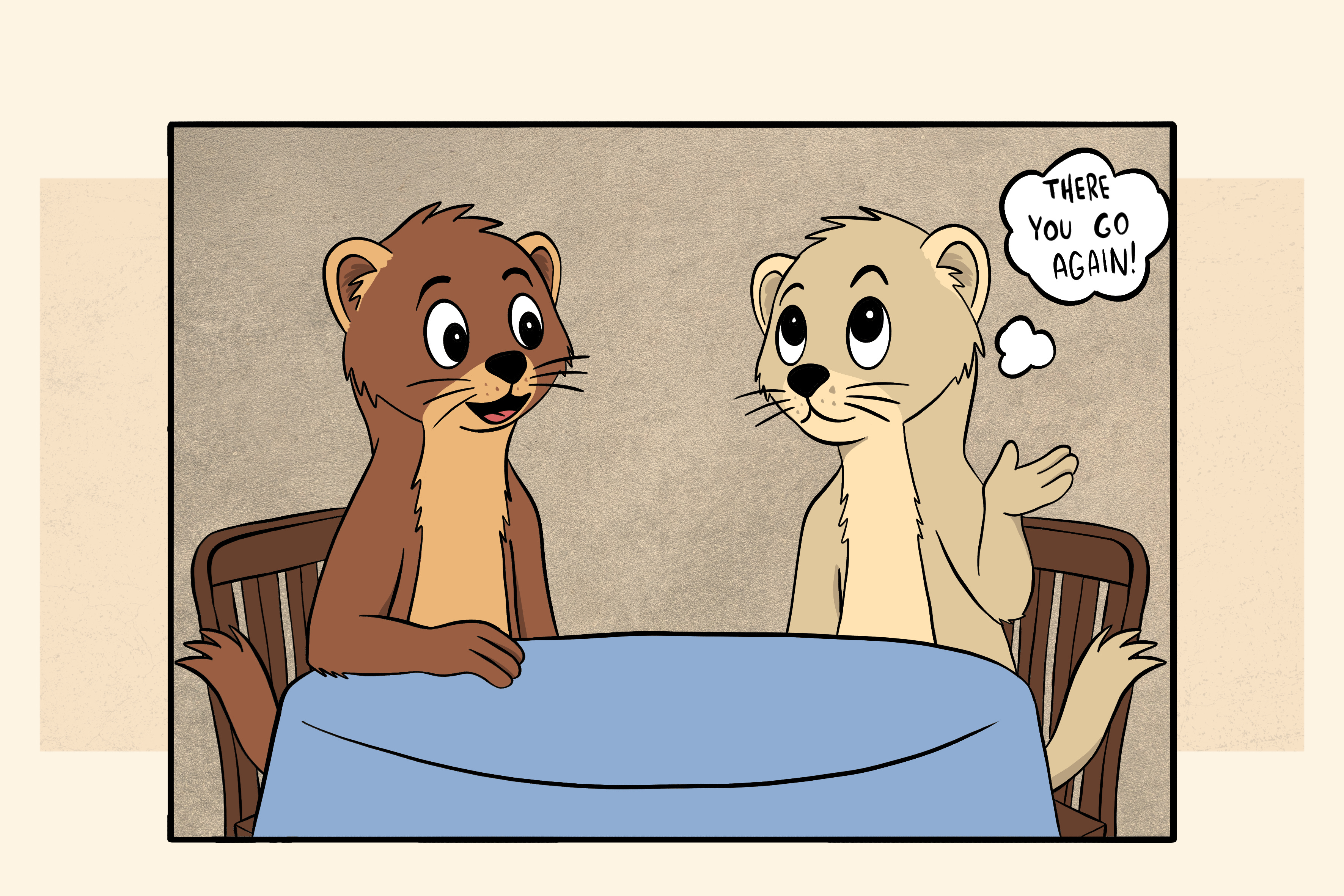
It’s lunch with a friend and you’re halfway through a sentence when the name you were reaching for is just gone. You laugh, say it’ll come to you, and she keeps talking. But the voice in your head has already started, the same one that’s been running as long as you can remember: there you go again, scattered, you’ve always been like this.
A couple of years ago you went looking for why everything felt like more effort for you than it seemed to take everyone else, and the ADHD diagnosis explained a lot of it. It didn’t quiet the voice, though. That still talks to you the way it always has, and part of you has started to wonder whether an answer that came this late can change how you see yourself.
There’s a 5-minute worksheet at the end of this newsletter called Where That Voice Came From. It helps you hear whose voice your inner critic really is, so the things it says stop landing like the truth about you.
Your brain never stops changing
That voice didn’t come from nowhere. For most of our lives the lateness, the half-finished projects, the thing we forgot again drew correction from the people around us, long before anyone knew it was ADHD, and we took it in. Adults with ADHD end up far harder on themselves than other people, much of it the criticism we absorbed over the years for things we couldn’t help. What feels like the plain truth about you is a habit your brain practiced into place over decades.
But your brain keeps changing all through your life. It keeps reshaping itself around what you repeat, the same way it built that harsh voice in the first place, and it doesn’t stop in your sixties or seventies. The way you talk to yourself was learned, which means it can still change, even now.
And practicing a kinder way of talking to yourself does more than feel good for a minute. Eight weeks of a daily mindfulness practice changed the structure of the brain areas that handle emotion and how we see ourselves. It is slow and it takes repeating, more than it would have at twenty-five, but adults with ADHD who stayed with it built real self-compassion that was still there months later. The answer didn’t come too late to use.
From our members
“The ADHD Weasel really helps me see what I am doing in a new light, re-evaluate if it is working for me, recognize the ways I am having to work harder than other people in my life to accomplish the same goals, and cut myself some slack because of it.”
- Susan, Weasel member
Things to try
None of these will silence the voice, and they don’t need to. Your brain is still changing, so each time you catch it and hear it for what it is, the old pattern loosens its hold a little more.
1. Whose voice is that 🥄
You blank on a neighbor’s name halfway through hello, and the voice is right there: what is wrong with you, you’ve always been like this. Before you take that as fact, ask whose line that is. Sit with it a second and you may hear your mother, or the supervisor who sighed every time you missed a detail. You took those words in years ago, long before anyone knew it was ADHD.
Once you can hear it as her old line, the grip loosens a little.
2. Put the ADHD back in the story 🥄🥄
Think of one of the big ones. Maybe the promotion you talked yourself out of because you could barely keep up with the job you already had, or the stack of half-finished projects you still call proof you never followed through. Tell that story again with the ADHD in it. You were holding down a job, a house, and a family with a brain that made the steady, ordinary parts the hardest, and no one had told you that yet.
That is where the shame starts to lift.
3. Be on her side 🥄🥄🥄
Picture yourself at thirty-five, up past midnight finishing the thing you couldn’t make yourself start earlier, sure that everyone else found this easier. She had no name for any of it, and she got up and did it all again the next day. She thought the struggle meant something was wrong with her.
The kindness you can’t quite give yourself now, you might be able to give her. Start there, with the woman who carried all of it and still got you here.
This week’s Apply It worksheet
By the end of this worksheet, the harsh voice you’ve carried for years has a source you can finally point to, and the shame that came with it has started to loosen its hold. Takes 5 minutes.
This, not that
Neurotypical advice: “You are who you are by this point. No sense trying to change how you think.”
ADHD version: Your brain doesn’t lock into place at a certain age. It keeps reshaping itself around what you repeat, the same way it built the harsh voice in the first place. Try this instead: take one slip from today and look at it through the ADHD lens instead of the old one. Each time you do, your brain builds a little more of the gentler pattern.
This week’s question
What’s the exact phrase your inner voice reaches for first when you forget something?
Thanks [FIRST NAME] for last week’s comment. Each week, one comment wins a $25 USD Amazon gift card.
How did you enjoy our newsletter today?
If this read helped you, pass it on: a like, comment, restack, or share helps more late diagnosed ADHDers feel less alone :)


Thank you so much, can’t wait to try the worksheet!
Also, my ADHD brain suggests checking the merge field which isn’t working on the app
“Thanks [FIRST NAME] for last week’s comment. Each week, one comment wins a $25 USD Amazon gift card.”
With love and an exhausting eye for detail…
Thanks for this newsletter. I have got myself into a real mess. I am autistic too, late-diagnosed at 53, and it seems I have PDA too, which means I sit in the darkness and starving with any benefits and hope floating away. Your letters which Im only discovering now help me begin to see some hope. It still overwhelms, I still cant aask for help but I’m grateful to you.