

Ten years ago, you fell in love with someone who finally got it. Someone whose ADHD brain matched yours, who understood the chaos and loved you anyway. Now there’s a mortgage, kids, endless chores, and you’re both so exhausted that “What’s for dinner?” feels like a personal attack.
Dr. Diane Garrison, Ph.D. is a Licensed Psychologist with over 35 years of clinical experience and a certified Feminine Power (Women’s Empowerment) & Dream Builder Coach. An early focus on addictions created a need to build expertise in neurodiversity as she realized the two often existed together. Now she calls herself the ADHD Whisperer. She is holistically minded in her treatment approach and loves to help others grow Mind-Body-Spirit-Emotion. To learn more, check out her websites at Lake Country Wellness and Counseling and Full Power Women.
Inside this guest post, Diane breaks down what happens when two ADHD brains build a life together, and the six strategies that help double neurospicy couples stop the shame-and-abandonment cycle before it destroys what brought them together in the first place.
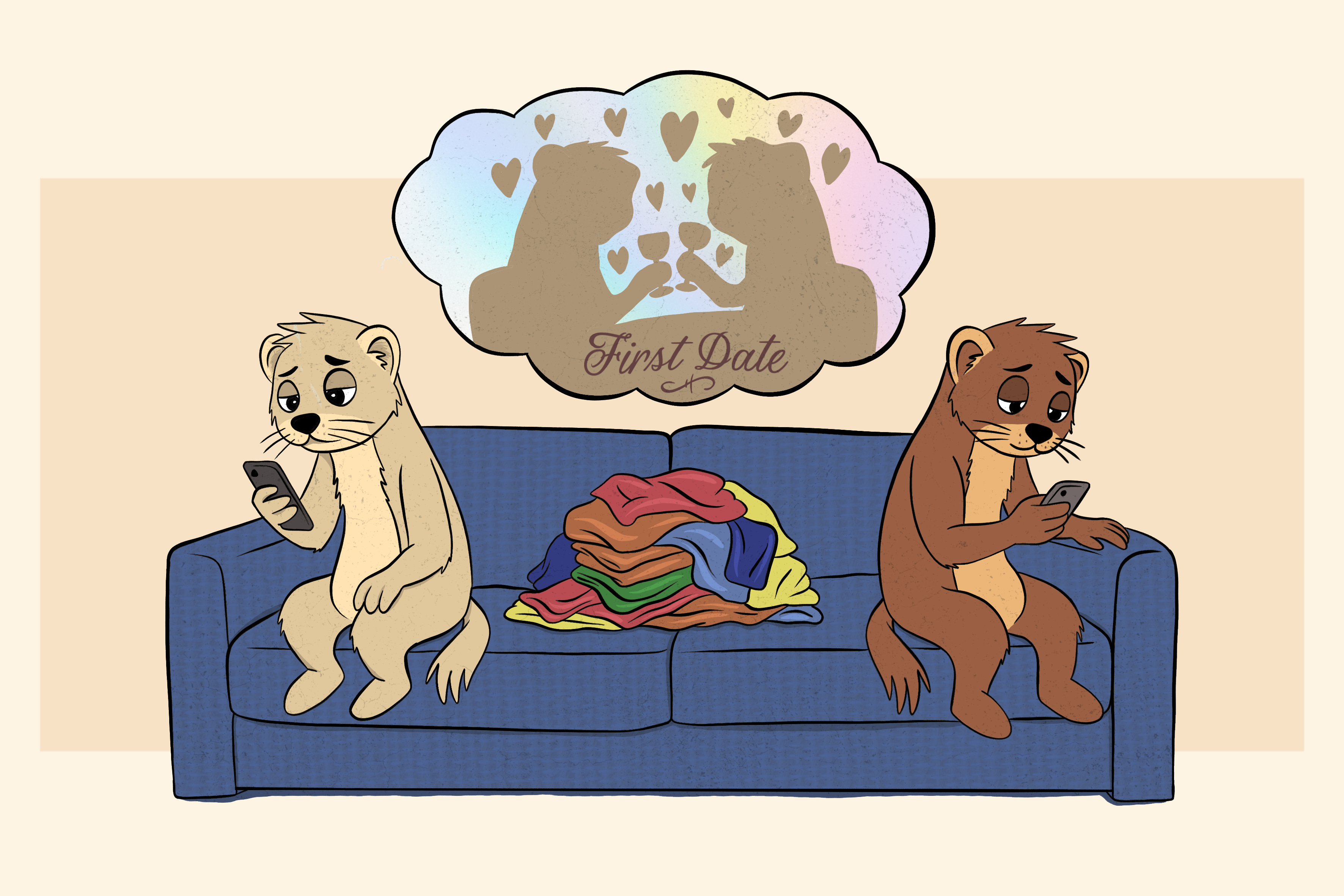
Once upon a time, a boy met a girl, and they connected deeply. They enjoyed exploring common interests, embarking on adventures, and sharing laughter over their quirky humor. Their shared experience with ADHD allowed them to understand and support each other in ways that felt miraculous.
Flash forward to now.
She feels unsupported, shouldering the household responsibilities with little appreciation. Exhaustion sometimes leads to angry outbursts that leave her feeling even more unseen and unheard. And guilty for her loss of control.
He feels neglected, rarely getting her undivided attention. He often finds himself in the doghouse, struggling to understand the criticism directed at him. When tensions rise, he either becomes defensive or withdraws, making the conflict worse.
This cycle of feeling shamed and abandoned is intense and taking a toll on their marriage and overall happiness.
What’s Really Going On
I’ve always helped the neurodiverse in my practice. As an addiction specialist, I quickly learned the crossover between these two issues was huge.
Currently, the number of neurospicy folks entering my clinic has greatly increased, and I’m working with a number of dual spicy couples. Similar themes pop up in our discussions.
She feels alone in the marriage, unseen, unheard, and often frustrated and overwhelmed. He feels like he’s always in the doghouse.
He can’t do anything right, so he loses motivation to even try. He finds her emotions too intense and her communication style too blunt, scary even.
The frequent conflict is doing damage to the marriage and to each partner’s self-worth. My clients report feeling really beat up and wishing they could run away.
While many neurotypical couples also face high conflict during the demanding years of child-rearing, the pain for a double spicy couple can feel even more intense. In the early years, when you had more time to connect and explore one another’s positive qualities, you believed you truly understood each other.
Now you feel like strangers, with little tolerance for each other’s quirks. Those quirks mean pain and disappointment, not mutual understanding.
I hear statements like: “She’s too intense. I feel like I have to keep my distance or I will be stung.” And: “He’s too inconsistent. I can’t count on him so I just have to do everything myself.”
No one can deny that with the busyness of family life, each partner’s mental and physical load greatly increases. Parents of young children are often exhausted.
But for the neurodivergent, this exhaustion has more devastating impact. Patience is low. Frustration is high. Emotions are harder to regulate.
My clients report being more distractible, more disorganized, more impulsive and ever seeking an extra dopamine hit (coffee, energy drinks, doom scrolling, online shopping). They’re not practicing healthy self-care skills. “Who has time?” they tell me.
But if you’re not taking care of your own physical, emotional, and spiritual needs, it’s unlikely you can gracefully manage the challenges inherent in any marriage, any busy family life.
The exhaustion and overwhelm you both feel can easily derail meaningful conversations, often resulting in feelings of shame, guilt, anger, and abandonment.
What Helps
1. Remember why you fell in love.
When you’re in pain, the problems seem enormous, taking all of your attention.
Here’s a little exercise: take 5 minutes to write down 10 strengths you see in yourself and 10 you see in your partner. Compare and reflect. Visit your lists often.
