

You did everything the books said to do. You bought the planner, set the reminders, built a morning routine, and for a week or two it actually worked. A few weeks later, the planner is buried under a pile of mail, the reminders have become background noise you swipe away, and you're wondering why this still feels so hard.
Jacqueline Sinfield is an ADHD coach with over 20 years of experience helping adults understand their brains and implement strategies that work in real life. A former nurse (RN) with a degree in Psychology, she is the author of Untapped Brilliance: How to Reach Your Full Potential as an Adult with ADHD, endorsed by Dr. Edward Hallowell and Dr. Gabor Mate. Her award-winning blog (Healthline Top ADHD Blog, Psych Central Best of the Web) blends ADHD strategies with a sprinkle of inspiration.
Inside this guest post, Jacqueline breaks down why your tools might not be working as well as they could, and the three small changes that help your brain actually use them.
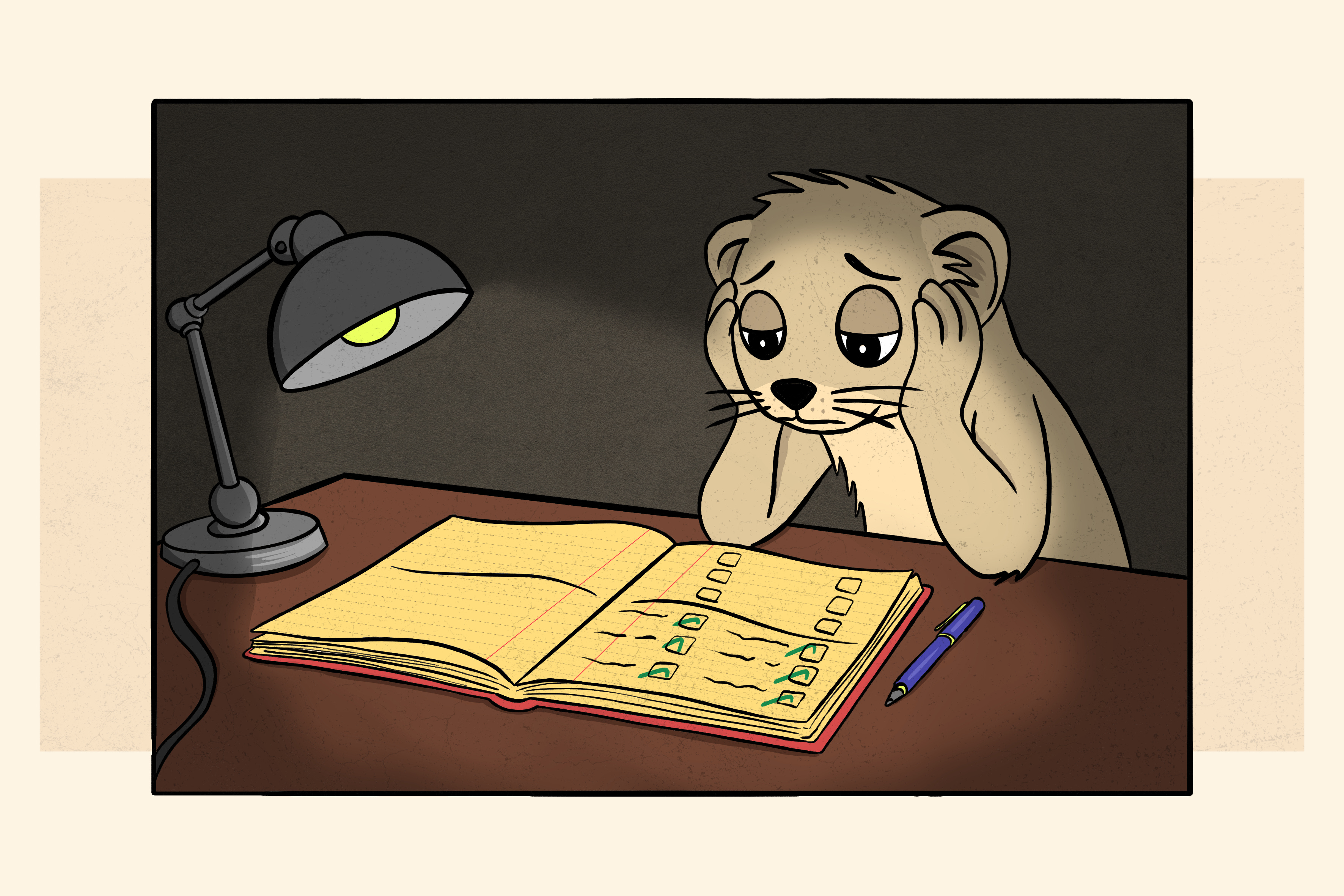
Meet Helen, one of my clients. She was feeling stuck and frustrated.
When she was first diagnosed with ADHD, she felt happy and relieved. There was grief, too, about what her life could have been like if she’d found out sooner. 54 felt way too old.
But she channeled that sadness into researching everything she could about managing her ADHD symptoms now. She felt proud when she realized she’d been doing some helpful things for decades, even without knowing she had ADHD.
Then she added new strategies from all the books and videos she'd consumed. She started using a planner, set reminders, and built routines around her day. They helped her arrive on time and feel more organized.
But she found it hard to be consistent, and she was annoyed with herself about that. She wondered why, even with this much effort and knowledge, things still felt so hard.
I have met many Helens in the 20 years I have been an ADHD coach. Motivated and determined, but not seeing the reward for the effort and feeling like something was wrong with them.
There isn’t.
Helen had done a great job of supporting her executive functions with new strategies. But she hadn’t realized how important the other piece of the ADHD puzzle is: dopamine.
Dopamine is a neurotransmitter that helps with motivation, focus, and reward. ADHD brains have lower levels of dopamine activity compared to non-ADHD brains, which is why ADHD medication works for many people: it increases dopamine availability in the brain.
Medication is one way to support dopamine. But there are also simple, healthy lifestyle habits you can include in your day that help increase dopamine, whether you take ADHD medication or not. By supporting both your executive functions AND dopamine, things start to feel easier.
Front stage vs. backstage
Think of the last concert or play you went to. The planners, routines, and reminders are what you see on stage. They’re the visible part of managing ADHD. They tell you what to do.
Things like omega-3, protein, and exercise are all happening backstage. They’re not as obvious, but they are an essential part of the performance because they help your brain take action and actually use the planners.
A common reason people living with ADHD don’t include these lifestyle habits is because it feels too big and overwhelming. Which makes sense, because lifestyle changes can feel like a lot.
Below are 3 small, doable actions you can take to start supporting your dopamine.
1. Omega-3
Omega-3 essential fatty acids (especially EPA and DHA) help keep brain cells flexible and responsive, which improves how neurotransmitters, including dopamine, communicate. Low levels of omega-3 mirror ADHD symptoms: problems with attention, focus, working memory, and mood swings.
