

You asked if he paid the electric bill. One question.
Fifteen minutes later, you’re in separate rooms, both convinced the other person started it. You don’t even remember how it escalated. Just that it did, again, and that the weight of it feels heavier than anything that was actually said.
Georgie Coote is a National Board-Certified Health & Wellness Coach and Gottman-trained couples specialist who works with women and couples navigating ADHD and relationship dynamics. She trains coaches through Guiding Mindful Change. Find her couples coaching practice here.
Inside this guest post, Georgie breaks down why ADHD makes the Gottman “Four Horsemen” hit harder, and shares six strategies for interrupting the cycle before it buries the connection underneath it.
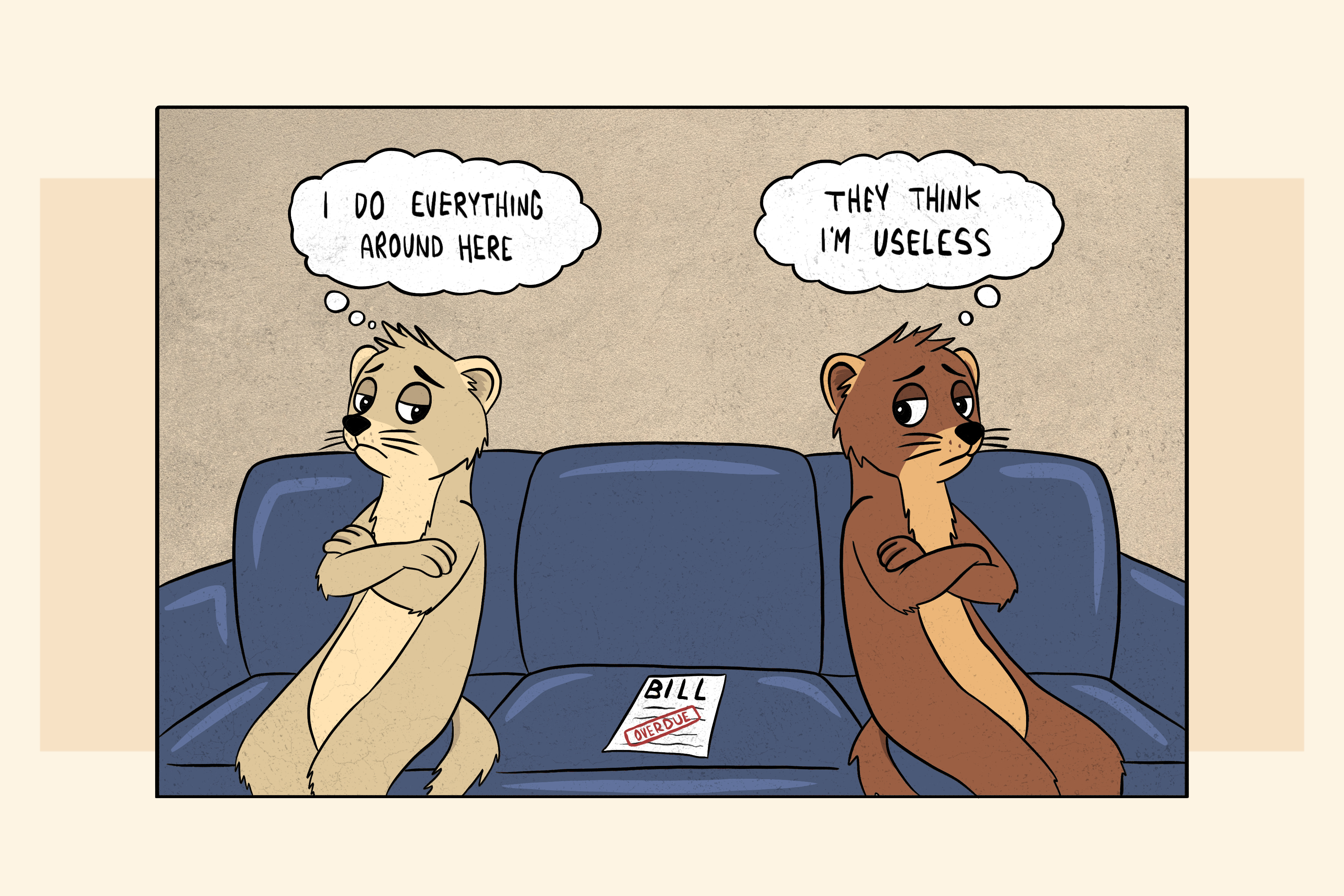
The couples who sit in front of me are usually radiating frustration. “I just ask him if he paid the bill, and next thing I know he’s exploded at me. There is no reasoning with him when he gets like that.” He counters: “In that moment I feel attacked. I don’t know why I can’t just give her a straight answer.”
If conversations in your relationship escalate faster than you can keep up with, you’re not alone. And if ADHD is part of the picture, there is often more going on than poor communication.
The Gottman Four Horsemen
John Gottman’s research on hundreds of couples identified four communication patterns that predict relationship breakdown:
Criticism; “You always / you never”
Defensiveness; “It’s not my fault”
Contempt; eye rolls, sarcasm
Stonewalling; shutdown, withdrawal
These show up in most relationships. With ADHD in the mix, they become stress responses.
What’s Really Going On
Criticism. Maybe your partner didn’t pay that bill, again. There’s an executive function challenge at the root, but they also know that admitting they forgot, again, means confirming a pattern. One that looks like they don’t care. They do care deeply. They just don’t have a follow-through system to support them.
Defensiveness. Rejection Sensitivity Dysphoria is common with ADHD. You care deeply what the people closest to you think. So a question about whether you paid the bill, when you know you didn’t, triggers “I’m failing” and “I’m not enough” alongside a wave of shame. The instinct is to protect yourself by explaining, justifying, counterattacking to deflect the moment.
